
IP Cameras vs Analog Security Cameras: Which System is Best for You?
author: Fiona
2026-09-10
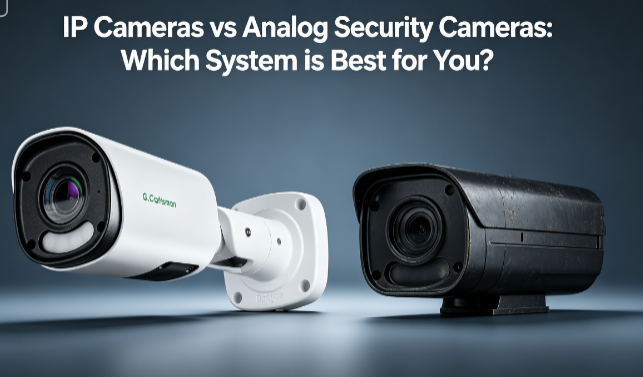
Surveillance security technology has become increasingly accessible and affordable for residential homes, small retail businesses, and large commercial enterprises worldwide. With the widespread adoption of IP cameras and PoE (Power over Ethernet) technology, modern security camera systems feature simpler installation, smarter functions and easier maintenance, even for users with no professional technical experience.
The global IP camera industry maintains rapid growth. Market data shows that the global IP camera market will grow from $14.06 billion in 2024 to $16.04 billion in 2025, with a compound annual growth rate of 14.1%. This booming trend fully proves that IP-based surveillance solutions are rapidly replacing traditional analog camera systems and becoming the mainstream choice for modern security monitoring.
Traditional analog CCTV camera systems face inherent drawbacks including cumbersome coaxial cabling, unstable power supply and limited image performance. In contrast, PoE IP cameras transmit both power and high-definition video data via a single Ethernet cable, greatly simplifying on-site wiring. Wireless WiFi IP cameras support flexible network connection and independent power supply, realizing convenient deployment in various scenarios. Essentially, IP cameras are intelligent network devices that deliver clearer footage, powerful AI analysis functions and overall better performance than conventional analog cameras. This guide elaborates on the core differences between IP and analog security cameras to help you select the most suitable surveillance system for your home or business.
What Are IP Cameras?
Many beginners feel confused by professional surveillance industry jargon. Simply defined, IP cameras (Internet Protocol cameras) are network-based digital surveillance devices. Equipped with advanced digital imaging sensors, IP cameras capture high-resolution video and transmit data through standard network protocols. Unlike analog cameras that rely on thick, bulky coaxial cables, IP cameras adopt universal Ethernet cables for signal transmission, featuring lighter wiring, stronger compatibility and more stable transmission.
Do IP Cameras Require Internet Connection?
A common question for most users is whether IP cameras need Internet to work. The clear answer is no. The “IP” refers to network protocol for local area network (LAN) transmission. IP camera systems can record and monitor normally on a private local network without public Internet access. An Internet connection is only required for remote real-time viewing and video playback via mobile phones or laptops off-site.
PoE IP Cameras vs WiFi IP Cameras: Core Differences
PoE IP cameras transmit power and video data synchronously through one Ethernet cable, connecting to PoE switches, PoE injectors or NVRs. This one-cable design eliminates separate power adapters, ensuring stable and safe long-distance transmission, ideal for fixed indoor and outdoor monitoring scenarios.
WiFi IP cameras are powered by dedicated power adapters and connect to routers or WiFi NVRs via wireless network (SSID and password). They support flexible installation without network cable restrictions, perfect for scenarios with complex wiring environments. It is worth noting that battery-powered wire-free cameras differ from professional WiFi cameras; they have lower stability and are only suitable for temporary monitoring.
NVR Working Principle and Flexible Storage Solutions
NVR (Network Video Recorder) acts as the core control and storage hub of IP surveillance systems, responsible for receiving, recording and storing video footage from all IP cameras. Many users wonder if an NVR is a must for IP camera recording. Actually, IP cameras support multiple storage methods to meet different usage demands.
Most mainstream IP cameras are equipped with microSD card slots for local video storage. Continuous recording via microSD cards can last several days, while motion-triggered recording can extend storage time to 1-2 weeks. For long-term, stable and reliable video archiving, an NVR is still the optimal choice. Equipped with professional ANR automatic network replenishment technology, our IP camera systems can synchronize microSD card footage with NVR storage, automatically supplementing missing videos caused by network disconnection to avoid video loss.
In addition, PC software recording is available but not recommended for ordinary users due to complex debugging and low stability. Cloud storage requires monthly paid subscriptions and has potential security and stability risks, making it only suitable for simple devices like doorbell cameras instead of professional business surveillance.
PoE Camera Installation Advantages & Analog System Limitations
The biggest advantage of PoE IP cameras is ultra-simple single-cable installation. One standard Ethernet cable supports 4K ultra HD video recording and stable power supply, with a maximum transmission distance of 328 feet without voltage drop. Low-power PoE cameras can extend the transmission distance up to 600 feet with extended power mode, perfectly adapting to large villas, warehouses, factories and other large-space scenarios.
Traditional analog CCTV systems have obvious technical bottlenecks. Analog cameras rely on RG59U coaxial cables, which are prone to voltage drops over 100 feet. Insufficient voltage will cause device failure, infrared light failure at night and automatic shutdown. Damaged coaxial cables easily generate electrical interference, resulting in video glitches, screen rolling and image duplication, and even permanent damage to DVR devices in severe cases.
Final Conclusion
Although analog camera systems have low upfront costs, their blurry video quality, complicated wiring, unstable operation and lack of smart functions make them unsuitable for long-term commercial and home security use. In contrast, PoE and WiFi IP camera systems deliver ultra HD image quality, simple installation, diverse storage options and intelligent AI detection functions. For home, store, office and industrial surveillance, IP camera systems are the most reliable, cost-effective and future-proof security solution.
What are IP camera use cases and what benefits do they bring for surveillance?
Top Explosion-Proof Camera Manufacturers in Guangzhou China
Related Article
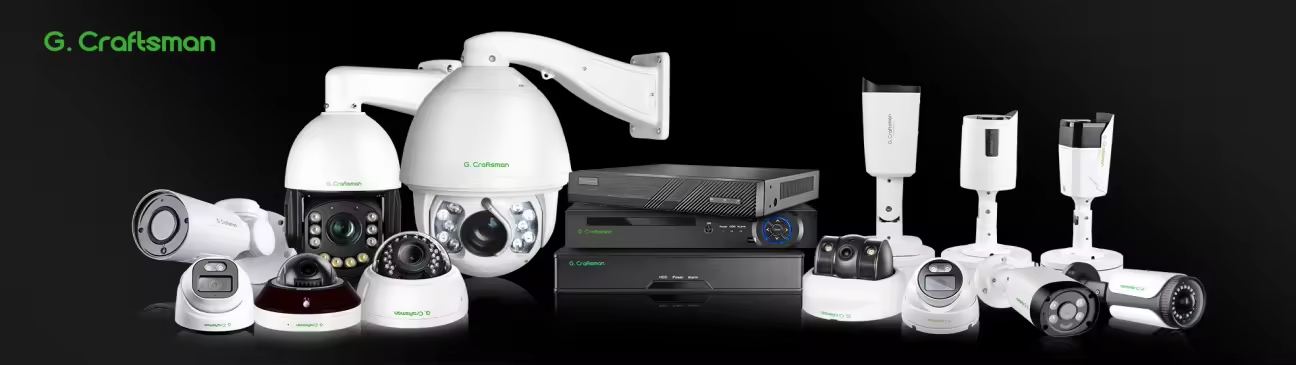
Confused between analog CCTV and IP camera systems? Learn core differences on wiring, image quality, storage, DVR and NVR. G.Craftsman explains pros of each option for home, commercial and warehouse surveillance projects.
CCTV vs IP Camera: Which Surveillance System Should You Choose?
Wondering about IP camera practical use cases and advantages? This guide covers home, retail, apartment, public‑area surveillance scenarios. Learn how IP cameras improve safety and remote monitoring for residential and commercial projects.
What are IP camera use cases and what benefits do they bring for surveillance?
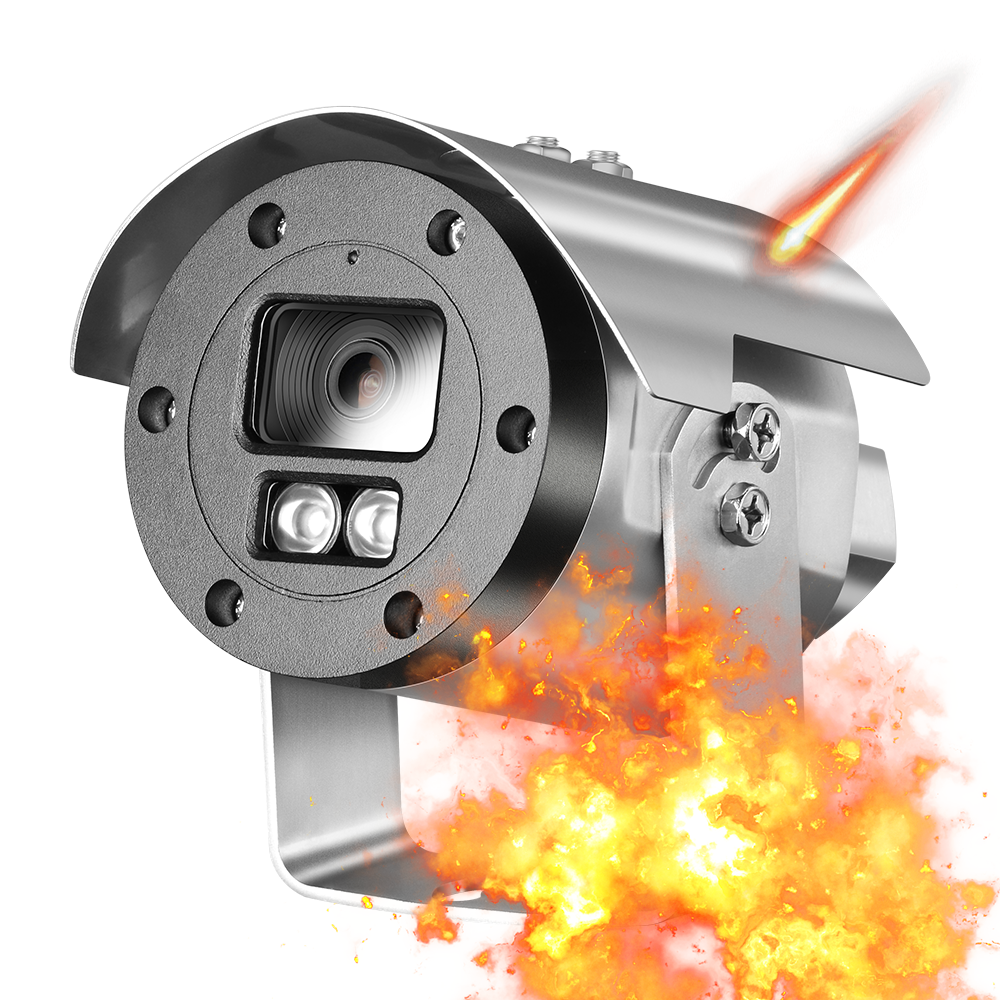
Standard cameras cannot work safely in hazardous sites. Find qualified explosion-proof camera manufacturers in Guangzhou. Our ATEX & IECEx certified explosion-proof cameras suit oil, chemical, mining facilities with 316L stainless steel housing and 24-hour HD monitoring.
Top Explosion-Proof Camera Manufacturers in Guangzhou China
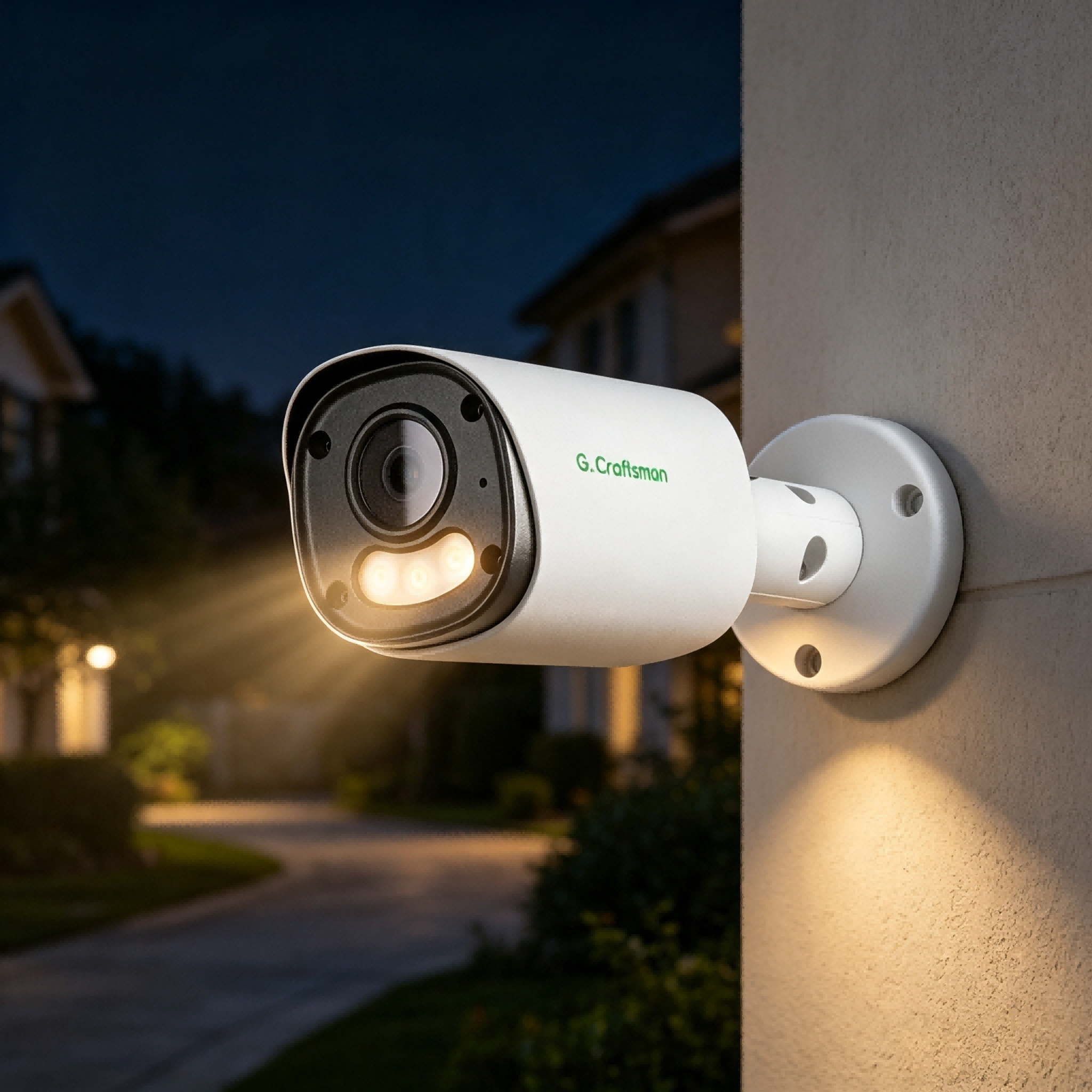
As a professional CCTV manufacturer focusing on global export, we launch the GR-YUFW-M8X HiEasy wireless IP camera, a cost-effective all-in-one surveillance device designed for overseas distributors, engineering contractors, retail sellers and end users.
GR-YUFW-M8X HiEasy Outdoor WiFi Security Camera: Ideal CCTV Solution for Global Wholesale & Project Business