What are IP camera use cases and what benefits do they bring for surveillance?
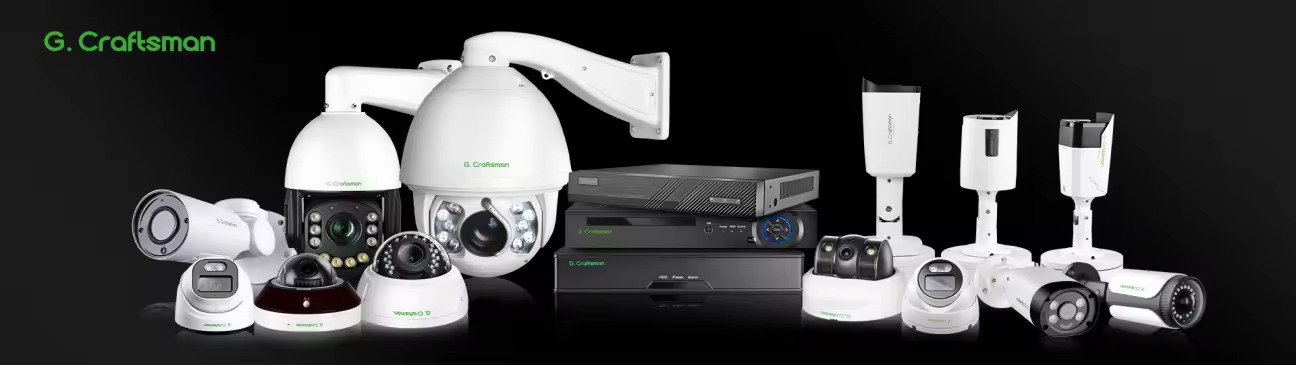
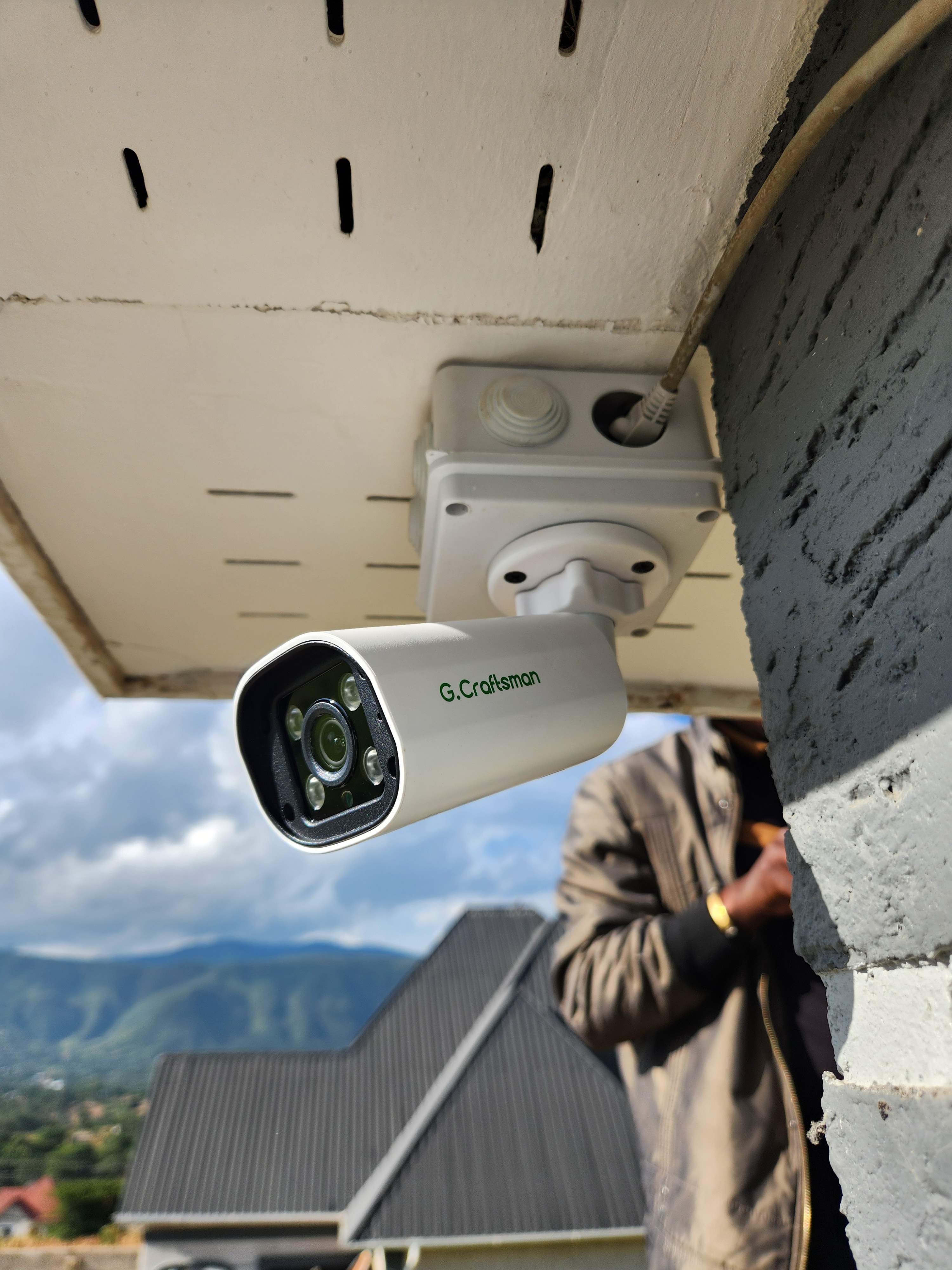
IP cameras (Internet Protocol cameras) are digital video devices that send and receive data over a local network or the internet. They are used across many different environments for security, monitoring, and automation.
Common Use Scenarios
Home Security
- Front Door and Entryways: Use doorbell or bullet IP cameras with two‑way audio to see and speak with visitors or delivery drivers.
- Indoor Monitoring: Place dome cameras inside to check on pets, children, or elderly family members while away.
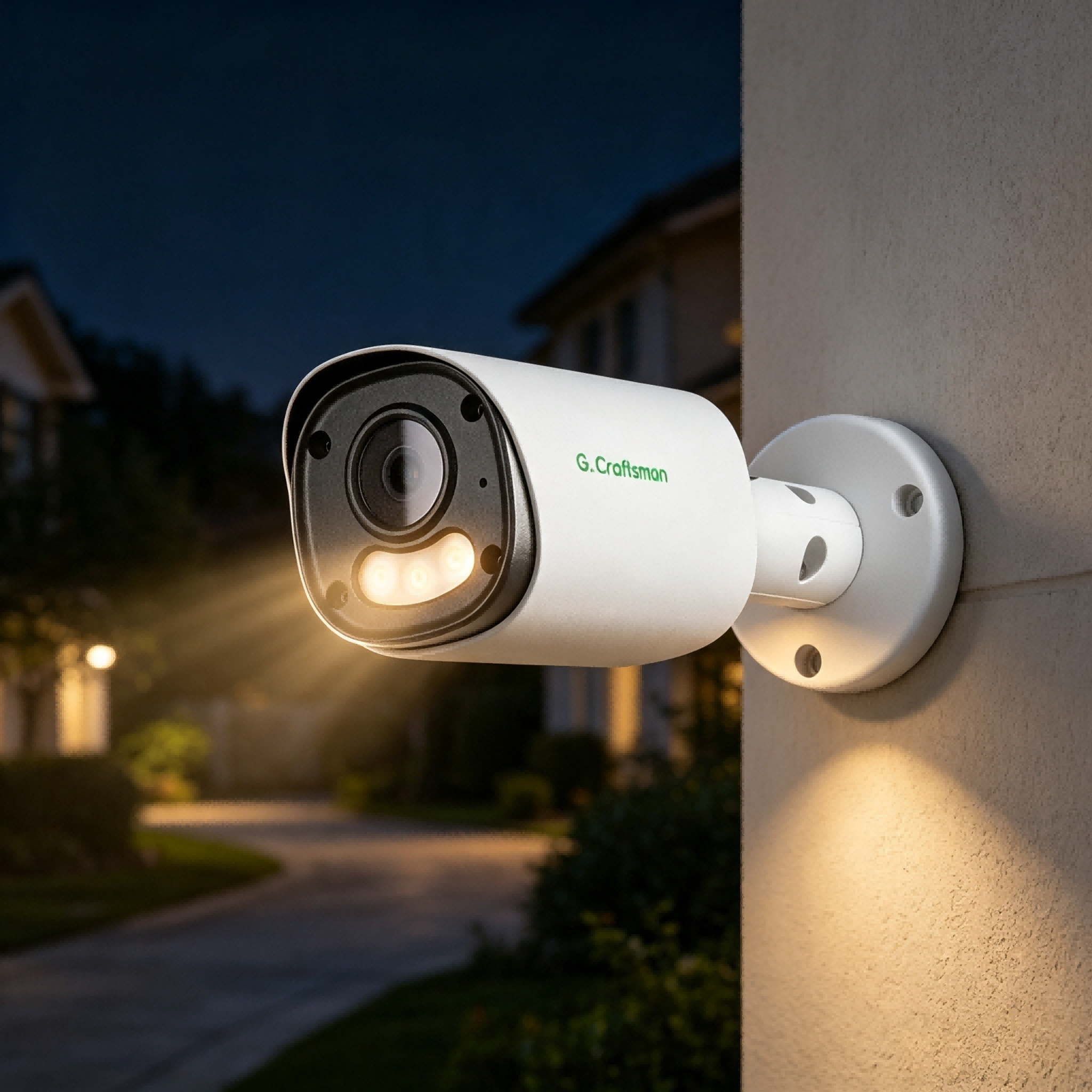
- Yard and Perimeter: Set up weatherproof outdoor cameras with night vision for around‑the‑clock property protection.
Business and Retail
- Store Surveillance: Monitor cash registers, aisles, and entrances to prevent theft and track customer flow.
- Employee Safety: Ensure safety compliance in warehouses or manufacturing floors.
- Remote Management: Business owners can check multiple locations live from a single smartphone or computer.
Apartments and Residential Complexes
- Vehicle Access Control: Use Automatic Number Plate Recognition (ANPR) cameras at gates to automate parking entry for residents.
- Common Areas: Secure lobbies, hallways, and parking garages with high‑definition recording.
Public Spaces and Smart Cities
- Traffic Monitoring: Track vehicle speeds and manage congestion.
- Crowd Control: Monitor public transit hubs, parks, and event venues for public safety.
If you're planning a setup, tell me:
- Where you want to install the cameras (indoor or outdoor)
- What your main goal is (security, pet monitoring, business tracking)
I can recommend the right camera type and storage setup for you.
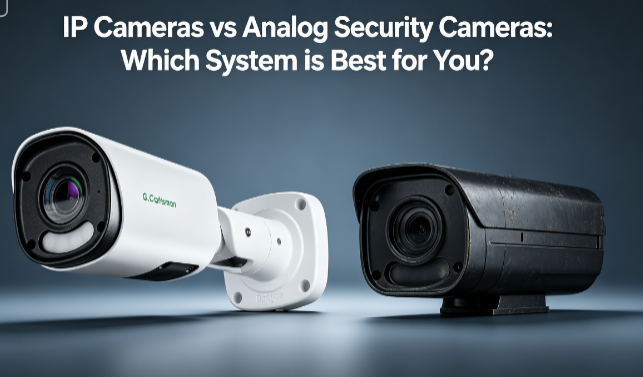
IP Cameras vs Analog Security Cameras: Which System is Best for You?
Related Article