Wireless CCTV Cameras: Advantages Over Wired Systems
The Wireless Revolution: Why Wireless Security Cameras Are Dominating Modern Home Security
The home security landscape is undergoing a profound transformation, driven largely by the rapid ascent of wireless security cameras. For years, traditional wired systems were the default choice, but a surge in consumer demand for flexibility, ease of use, and smart integration has propelled wireless models to the forefront. The shift is not merely a trend but a fundamental change in how we think about and implement protection for our homes and businesses. The reasons for their popularity are multifaceted, addressing key pain points of older systems.
The most immediate advantage is the revolutionary ease of installation. Traditional wired cameras often require complex drilling, cable management, and professional help, turning installation into a weekend project at best. In contrast, wireless cameras are designed for a true DIY approach. Users can typically mount them on a wall or shelf in minutes with basic tools. This eliminates the hassle of snaking wires through walls and ceilings, making them ideal for renters or anyone who prefers a non-permanent, flexible security solution. This flexibility extends to camera placement. Without being tethered to a power outlet or video cable, cameras can be positioned in previously challenging locations—from a backyard tree to a detached garage—to cover blind spots that wired systems could not easily reach.
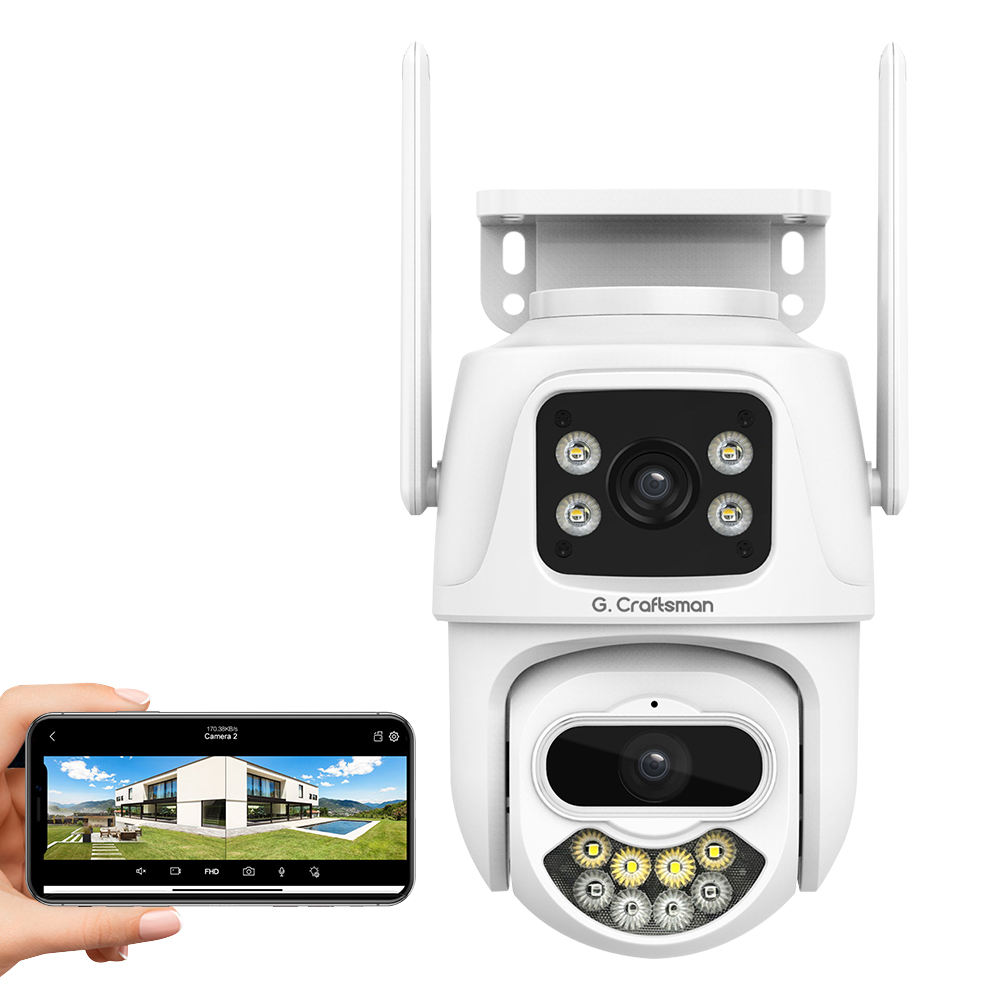
Beyond physical installation, the core appeal lies in connectivity and remote access. The majority of wireless cameras, including Wi-Fi, 4G, and battery-powered models, connect to a home network or cellular signal. This enables real-time remote viewing from anywhere in the world via a smartphone app. Homeowners can receive instant motion-activated alerts, check in on pets or family members, and even communicate through two-way audio features. This constant connection provides an unprecedented level of situational awareness and peace of mind.
Power options further enhance their versatility. Battery-powered cameras can operate for months on a single charge, ensuring functionality even during power outages. 4G/LTE cameras offer a critical failover for when Wi-Fi is unreliable or as a primary solution for monitoring remote properties without internet infrastructure. This ensures continuous surveillance regardless of environmental challenges.
While early wireless models faced questions about signal stability and video quality, modern advancements have rendered these concerns obsolete. Robust Wi-Fi standards, enhanced encryption protocols, and high-definition video streaming ensure a secure and reliable experience. Furthermore, the integration of these cameras into broader smart home ecosystems, allowing for automation with smart lights and door locks, creates a comprehensive and proactive security environment.
In conclusion, the popularity of wireless security cameras is a direct result of their user-centric design. They offer a powerful combination of effortless installation, unparalleled placement flexibility, and intelligent remote access. By removing the barriers of complex wiring and fixed locations, they have democratized home security, making robust protection accessible, adaptable, and incredibly convenient for the modern user.
8 Reasons Retail Chains Are Adding People-Counting Sensors to Existing CCTV
How to Secure a Construction Site with a Solar 4G LTE Camera Kit—No Trenches
Related Article