The Brain Behind the Lens: How CCTV Motherboard Size Dictates Performance & Intelligenc
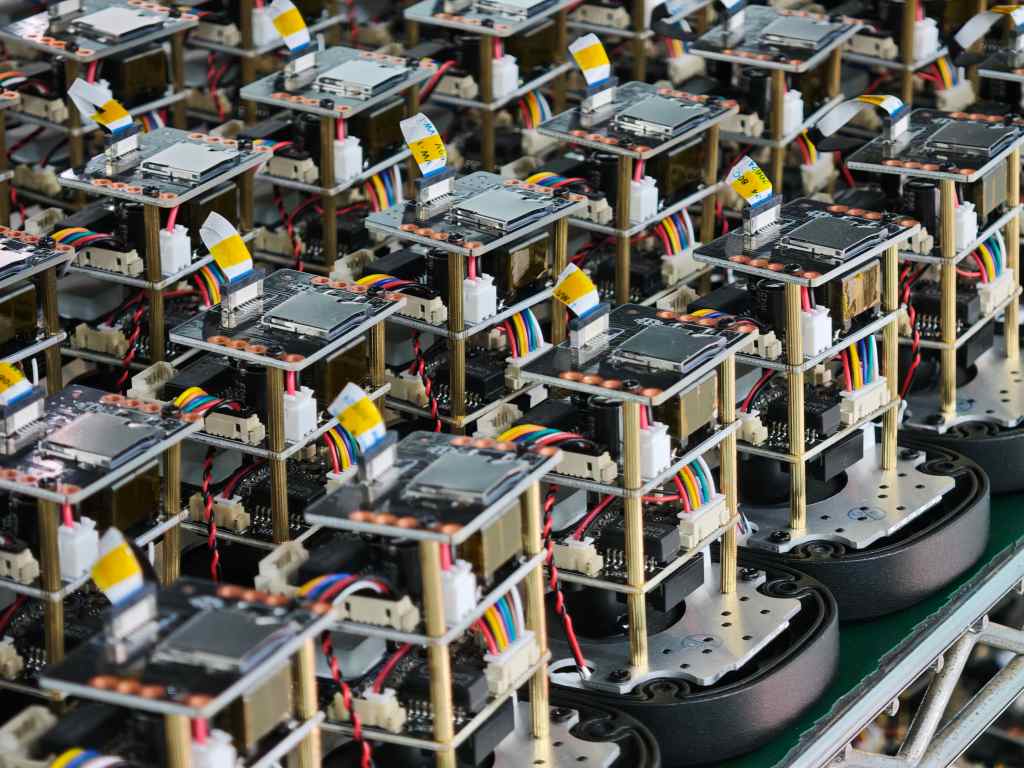
When selecting the perfect CCTV camera for your security system, specs like resolution, night vision, and lens type are often the first considerations. However, the true determinant of a camera's capabilities and intelligence lies within its core component: the motherboard. The physical size of this main circuit board is a critical, yet often overlooked, factor that directly dictates performance, functionality, and suitability for specific applications. From basic surveillance cameras to advanced AI-powered analytics platforms, the motherboard serves as the central nervous system.
Compact and coin-sized motherboards are engineered for minimalism. They are the heart of miniature cameras, covert cameras, and many battery-powered or USB cameras. These boards prioritize low power consumption and basic functionality, typically supporting simple video encoding for indoor or niche use cases like baby monitors or dummy cameras. Their limited real estate means they cannot support advanced processing, AI chips, or complex interfaces.
The workhorse of the industry is the standard-sized motherboard, found in the vast majority of dome cameras, bullet cameras, turret cameras, and wireless IP cameras. This size offers the ideal balance, providing ample space for a powerful image signal processor (ISP) to enable features like Starlight night vision, true WDR, and full-color imaging in low light. It accommodates POE circuitry, microSD slots, audio modules, and crucially, dedicated AI accelerators. This allows these network cameras to perform real-time video analytics such as human/vehicle detection, intrusion detection, and basic facial recognition.
For maximum intelligence and mechanical control, large-format motherboards are essential. These are used in high-end PTZ cameras, speed domes, fisheye panoramic cameras, and thermal imaging cameras. The extra space allows for multiple co-processors—handling AI algorithms for sophisticated license plate recognition (LPR/ANPR), managing the complex motor drivers for pan-tilt-zoom functionality, and processing high-bandwidth data from multiple sensors or 4K streams. This architecture is what transforms a simple surveillance camera into an intelligent, data-generating security asset.
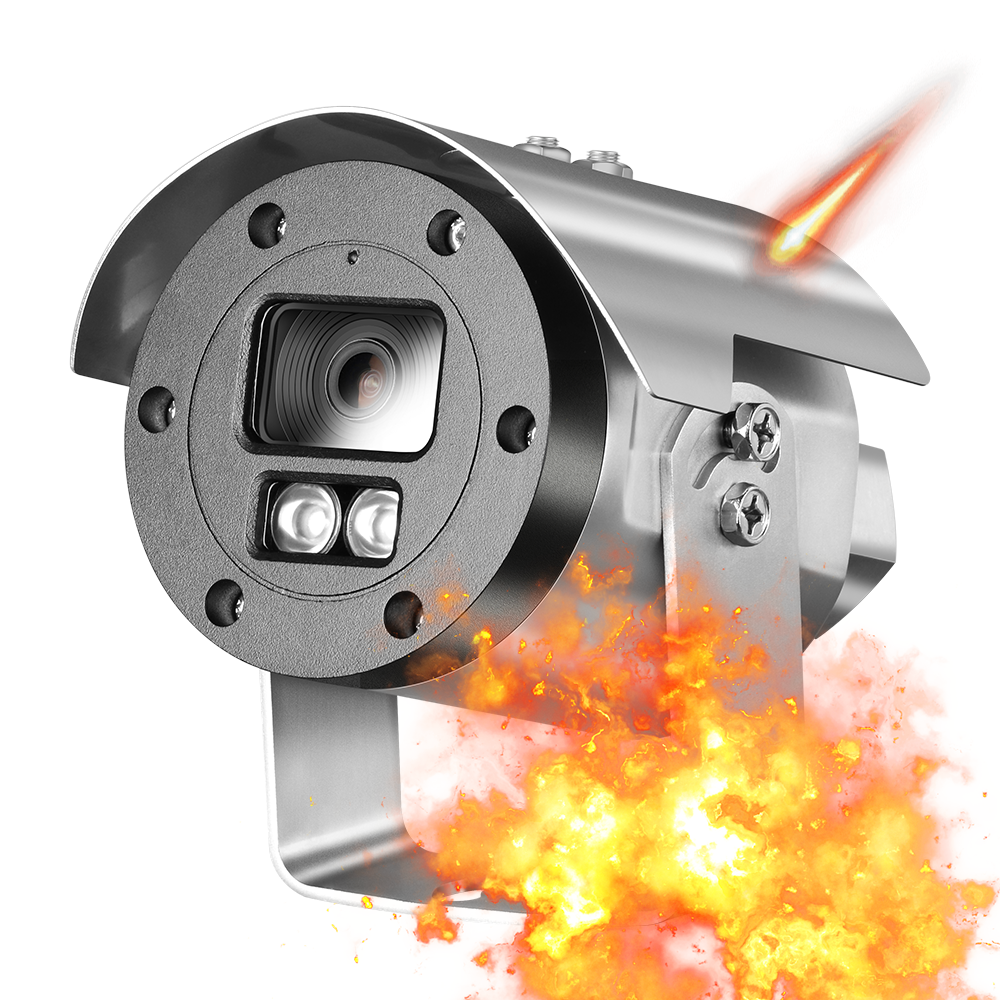
Finally, specialty-shaped motherboards are custom-designed to fit unique form factors like body-worn cameras, vehicle cameras, or explosion-proof camera housings. They are ruggedized and integrated with specific interfaces (e.g., CAN bus for automotive use) to meet extreme environmental demands. In summary, understanding motherboard size empowers you to choose a camera not just by its housings, but by the true "brain" inside, ensuring your NVR or DVR system is fed by the right level of intelligence for your needs.
Five Supply-Chain Trends Reshaping Global CCTV Procurement in 2025—and How Gcraftsman Keeps You Two Steps Ahead
Empowering Modern Property Management with AI Security Cameras
Related Article